
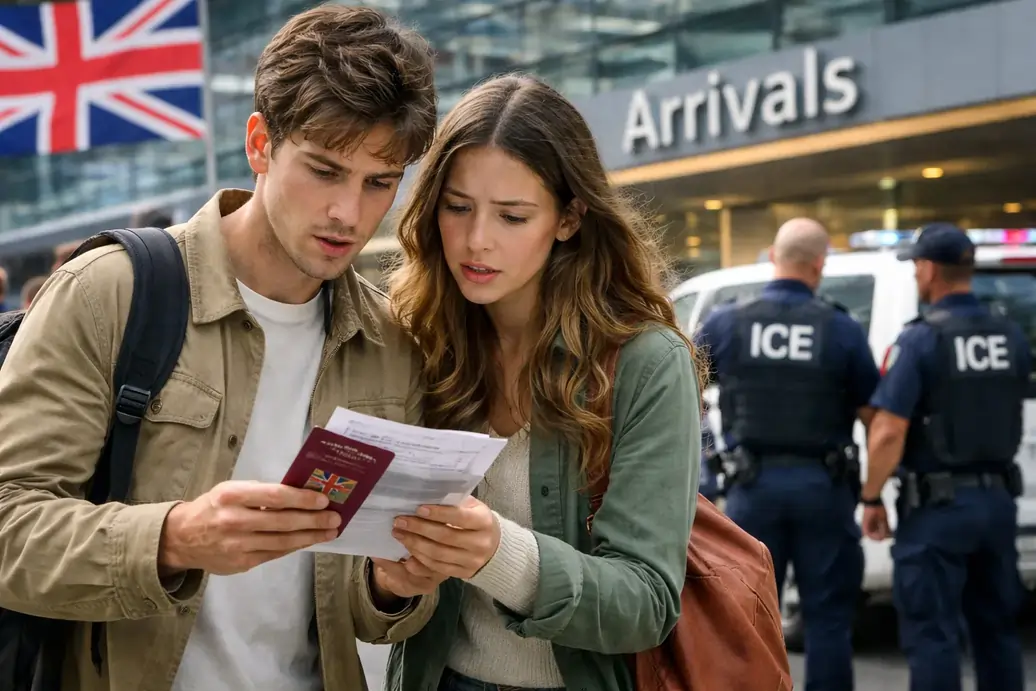
In early 2026, headlines across the UK carried a story that felt both surreal and unsettling: a 65-year-old British grandmother, travelling on a valid visa, detained in the United States for six weeks.
Her name was Karen Newton. She wasn’t accused of a crime. She hadn’t overstayed. She wasn’t working illegally. She was on holiday.
Yet she ended up inside the U.S. Immigration and Customs Enforcement (ICE) system, held at the Northwest ICE Processing Center.
As a UK-facing analysis, this blog examines:
- What actually happened
- Why detentions are increasing
- The future risks for UK tourists
- The legal and political context under Donald Trump
- The impact on tourism and UK–US relations
- How British travellers should plan ahead
- What protections exist (and what don’t)
This is not alarmism. It is clarity.
Let’s break it down.
The Case: What Happened to Karen Newton?

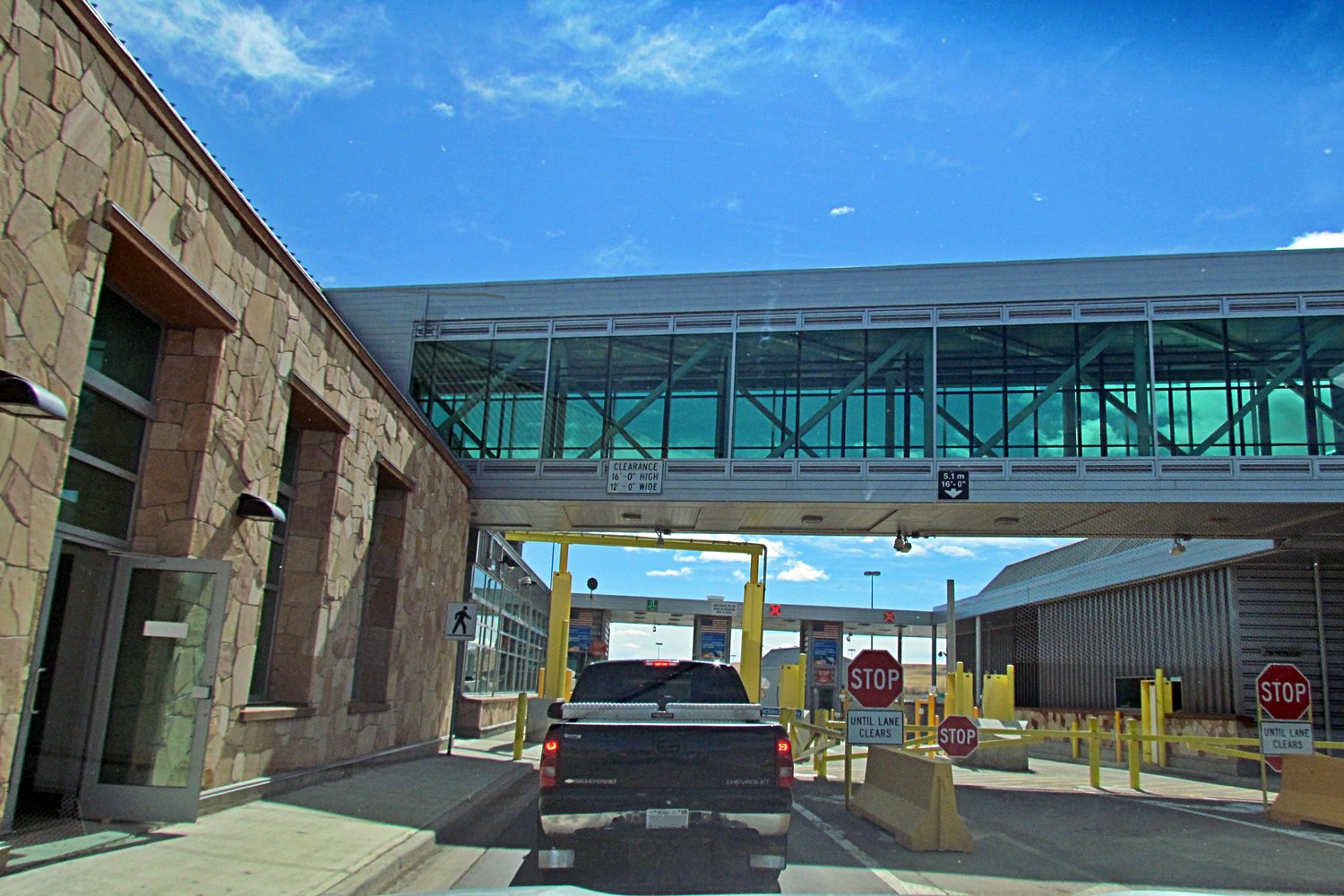
Karen and her husband were travelling across the western United States California, Nevada, Wyoming, Montana before planning to enter Canada.
At the US–Canada border:
- Her husband’s visa had expired.
- Hers was still valid.
- Canadian authorities refused vehicle entry.
- They were returned to US border control.
What followed:
- Shackling at wrists, waist, and ankles.
- Transfer to Sweetgrass border patrol station.
- Three days held in a cell.
- Signing “voluntary self-removal” paperwork.
- Transfer to the Northwest ICE Processing Center in Tacoma.
- Six weeks in detention.
Despite having a valid B2 tourist visa.
She was reportedly told she was “guilty by association.”
Understanding ICE and the Current Enforcement Climate
The agency at the centre of this case is U.S. Immigration and Customs Enforcement.
ICE is responsible for:
- Immigration enforcement
- Deportations
- Detention facilities
- Border interior enforcement
Under the second term of Donald Trump (inaugurated January 2025), enforcement priorities changed significantly.
Reported Policy Shifts:
- Arrest quotas reportedly raised to 1,200–1,500 per day.
- Budget expansion to historically high levels.
- Increased recruitment incentives.
- Expansion of “voluntary self-removal” programs.
While ICE has publicly denied that individual officers are paid per detention, the system itself is structured to increase enforcement outputs.
For travellers, this means:
Discretion has widened.
Border agents have broad authority.
Appeals are slow.
Detention can happen before removal.
The Legal Grey Zone: Why Was She Detained?
Here’s the uncomfortable truth:
US immigration law gives border officers extraordinary discretion.
At ports of entry or land borders, travellers:
- Do not have the same due process rights as within the US interior.
- Are not guaranteed a government-appointed lawyer.
- Can be detained pending review.
In Karen’s case, officials reportedly argued she violated visa terms by assisting her husband’s relocation.
Whether that interpretation would survive judicial scrutiny is unclear because she signed voluntary removal paperwork before reaching a judge.
That’s the key.
Voluntary Removal Explained
Under “Project Homecoming”:
- Detainees can agree to self-removal.
- The US pays for travel.
- A bonus payment may apply.
- Individuals waive certain legal rights.
- Re-entry bans (often up to 10 years) apply.
It sounds fast.
It often isn’t.
Karen remained detained for 42 days after signing.
Is This an Isolated Case?
No.
Other reported detentions include:
- Rebecca Burke – held 19 days.
- Jessica Brösche – held 45 days.
- Jasmine Mooney – held two weeks.
Patterns emerging:
- Many were attempting to leave the US when detained.
- Most had visa complications or documentation ambiguity.
- Media attention often accelerated release.
That last point matters.
The Bigger Impact: Tourism Under Strain
The United States saw:
- 4.5 million fewer international visits in 2025.
- UK visits reportedly down 15%.
- Canadian travel down over 20%.
This coincides with:
- Aggressive enforcement optics.
- High-profile detention stories.
- Federal government shutdown disruptions.
The tourism sector estimates billions in lost revenue.
But for the average UK traveller, the real question is simpler:
Is it safe to go?
Risk Assessment for British Tourists in 2026
Let’s separate fear from fact.
Most UK tourists still travel without incident.
However, risk factors now include:
- Visa technicalities.
- Overstay history (even minor).
- Border irregularities.
- Travelling with someone out of status.
- Work suspicion under tourist visa.
- Social media scrutiny (in rare cases).
Border authority in the US is among the strongest in the Western world.
Once detained:
- Legal recourse is slow.
- UK consular staff cannot override US immigration decisions.
- Detention conditions vary by facility.
The 2026 FIFA World Cup Question
The United States will co-host the FIFA World Cup 2026.
Millions are expected.
Young fans. Groups. Alcohol. Border crossings.
Could isolated arrests escalate into immigration detention cases?
Possibly particularly if:
- Visas are incorrect.
- ESTA authorisation is denied.
- Public order arrests trigger immigration review.
Planning matters more than ever.
What the UK Government Can and Cannot Do
As a UK official perspective:
What We Can Do:
- Provide travel advice.
- Monitor detention trends.
- Offer consular access.
- Ensure welfare checks.
- Assist with communication home.
What We Cannot Do:
- Override US immigration law.
- Force release.
- Intervene in judicial discretion.
- Pay fines or legal costs.
That distinction is crucial.
Consular protection is not immunity.
Planning Smart: A UK Traveller’s Checklist for the US
If you are planning travel to the US in 2026:
1. Double-Check Visa Status
- ESTA validity.
- Visa expiration.
- Purpose consistency (tourism only means tourism).
2. Avoid Grey Areas
- No informal work.
- No assisting relocations.
- No long-term stays near visa expiry.
3. Carry Documentation
- Return flight confirmation.
- Accommodation bookings.
- Proof of funds.
- Travel insurance covering detention disruption.
4. Understand Voluntary Removal
Never sign legal documents under pressure without understanding:
- Waivers.
- Re-entry bans.
- Long-term impact.
5. Emergency Contacts
- UK Foreign Office emergency number.
- Family back home.
- Legal support contacts (if possible).
The Psychological Impact of Detention
Karen’s reflections weren’t political.
They were human.
She spoke about:
- Losing sense of time.
- Sleeping on a floor.
- Lights never turning off.
- Shame calling family.
- Returning home to unpaid bills and dead plants.
Detention isn’t just physical confinement.
It disrupts:
- Credit history.
- Employment.
- Mental wellbeing.
- Travel freedom.
The cost extends beyond the cell.
The Future: What Comes Next?
Three potential trajectories:
1. Continued Enforcement Expansion
If quotas and budgets remain high, detention frequency may continue rising.
2. Judicial Pushback
US courts may clarify limits of border discretion.
3. Economic Pressure
Tourism losses may pressure policy recalibration.
The US benefits enormously from UK visitors.
Cultural exchange runs both ways.
But enforcement optics shape perception.
Should Britons Avoid the US?
Blanket avoidance?
Not necessarily.
But blind confidence?
Also not wise.
Risk is not uniform but it is real.
The key is informed travel.
Final Reflection: Freedom Feels Different After It’s Tested
Karen said something that lingers:
“You only really appreciate your freedom when you’ve had it taken away.”
That sentence cuts deeper than politics.
It speaks to:
- The fragility of movement.
- The power imbalance at borders.
- The reality that visas are permissions not guarantees.
The US remains:
- A vast landscape.
- A cultural powerhouse.
- A major travel destination.
But in 2026, travel requires more diligence than before.
Frequently Asked Questions (FAQs)
1. Can a UK tourist with a valid US visa be detained by ICE?
Yes. Even with a valid visa, US border officials have broad discretionary authority. A visa allows you to travel to a US port of entry, but it does not guarantee admission. If officers believe visa terms may have been breached, detention is legally possible while the matter is reviewed.
2. What is ICE and what powers does it have?
ICE (U.S. Immigration and Customs Enforcement) is a federal law enforcement agency responsible for immigration enforcement inside the United States. ICE officers can detain, investigate, and initiate removal proceedings if they believe immigration laws have been violated.
3. What is “voluntary removal” or “self-deportation”?
Voluntary removal (sometimes referred to as self-deportation) allows a detained individual to agree to leave the US without going before an immigration judge. In most cases:
- You waive certain legal rights.
- You may face a re-entry ban (often up to 10 years).
- The US government may cover return travel.
It is a legal decision with long-term consequences and should not be signed without understanding the implications.
4. Does the UK government have the power to release detained British citizens in the US?
No. The UK government can provide consular assistance, ensure welfare checks, and help with communication. However, it cannot override US immigration decisions or order a person’s release from detention.
5. Are detentions of tourists common?
Detentions of ordinary UK tourists remain rare relative to total visitor numbers. However, reported cases have increased under heightened enforcement policies, particularly where documentation issues or visa misunderstandings arise.
6. Can you be detained when leaving the United States?
Yes. Immigration review can occur when exiting the country, especially at land borders. If officials discover a visa issue, overstay, or suspected breach of conditions, detention may occur before removal.
7. What are the main risk factors for UK travellers in 2026?
Key risk factors include:
- Visa expiration or technical errors
- Travelling with someone who is out of status
- Suspected work under a tourist visa
- Inconsistent travel documentation
- Prior immigration violations
8. How can UK travellers reduce the risk of immigration issues in the US?
To reduce risk:
- Verify ESTA or visa validity before departure
- Carry proof of return travel
- Keep accommodation details accessible
- Avoid any paid or unpaid work under a tourist visa
- Maintain comprehensive travel insurance
Preparation significantly lowers risk.
9. What happens inside a US immigration detention centre?
Detention facilities vary, but individuals may be housed in secure environments with restricted movement. Legal access depends on the type of case. Some facilities are privately operated under federal contracts.
10. Will US immigration enforcement affect travel to the 2026 FIFA World Cup?
The United States is hosting the 2026 FIFA World Cup. Millions are expected to travel. While most visitors will enter without issue, travellers must ensure visa compliance, especially if travelling in groups or attending multiple events.
11. Does signing voluntary removal affect future travel to the US?
Yes. In many cases, it triggers a re-entry ban that can last several years. Future visa applications may require disclosure of the removal.
12. Should UK citizens avoid travelling to the United States?
Travel decisions should be informed, not reactive. The US remains a major destination for UK tourists. However, travellers should understand immigration enforcement policies and plan carefully before departure.